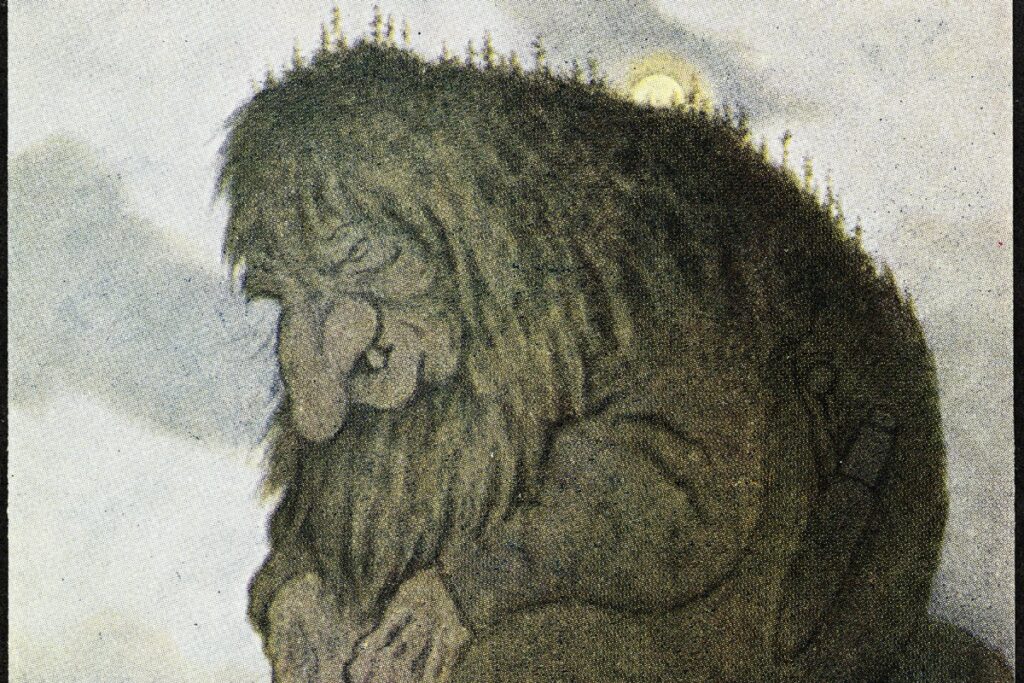
What Was the Patent Troll Era?
A “patent troll” is a company that has little or no business operations other than suing people for patent infringement, and usually collecting settlements or licensing fees. Often they were not even the original filers of the patents. They would just buy up vague patents they felt they could monetize. This was a booming business from the late 1990s until about 2017.
At the peak, around 2011 to 2013, trolls were filing more than half of all patent lawsuits in America. A Boston University study estimated trolls cost companies $29 billion in direct costs in 2011 alone. Startups, retailers, game companies, even coffee shops offering free WiFi got hit. It was insane and these patent trolls were an absolute plague.
How Did the Patent Troll Era Start?
State Street Bank & Trust Co. v. Signature Financial Group, Inc., 149 F.3d 1368 (Fed. Cir. 1998), which killed the “business method exception” and opened the door to software and business method patents. The Patent Office got flooded and granted thousands of vague patents on things like “the online shopping cart,” “distributing a news release,” and “showing an ad before free content.”
Then the economics took over. Defending a patent suit through trial cost $1.5-3m and took 18 months or more. Drew Curtis of Fark put the average at about $2 million and 18 months, and that’s when you win. Trolls would offer to go away for a fraction of that. Most companies paid, even when they clearly didn’t infringe. And since trolls made no products, you couldn’t countersue them for anything. They had no revenue or assets. If you beat them, they just declared bankruptcy and died.
The Friendly Forum for Trolls
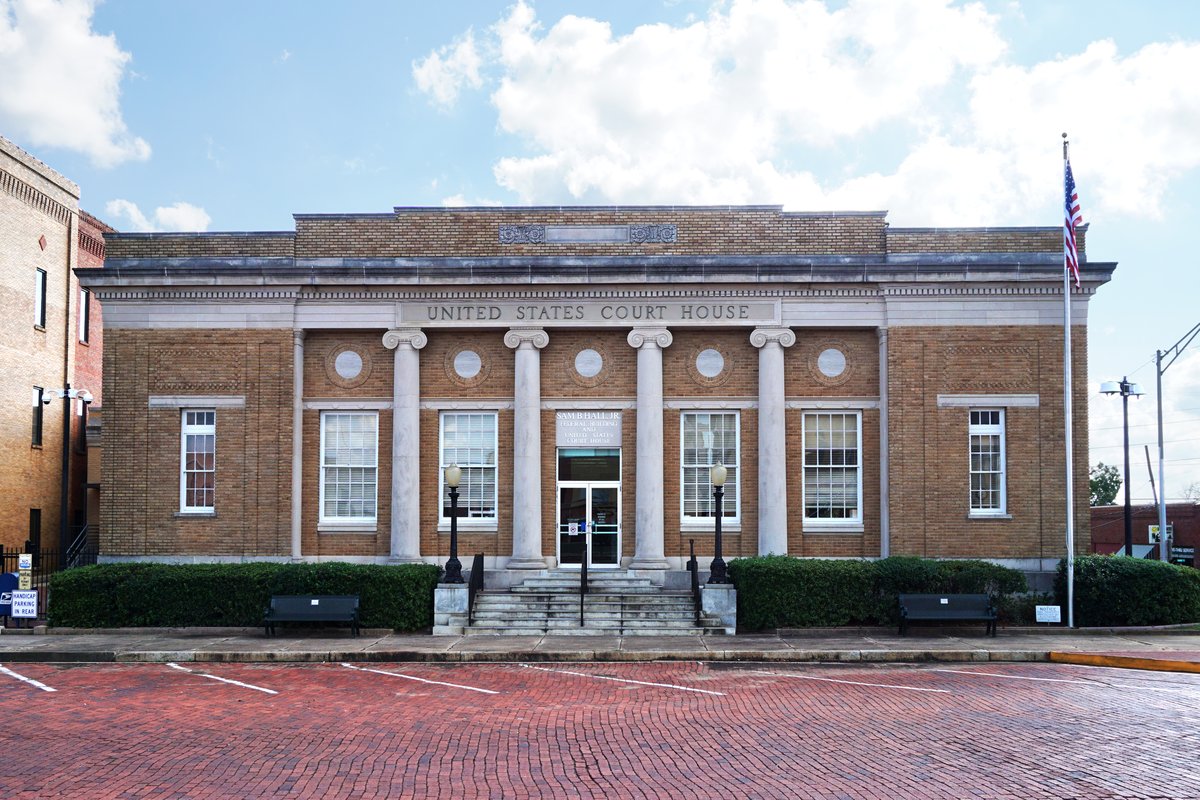
The Trolls had a home court: Marshall, Texas. The Eastern District of Texas had fast dockets and plaintiff-friendly juries, so trolls set up shell offices there just to file suits.
Killing Trolls with Fire
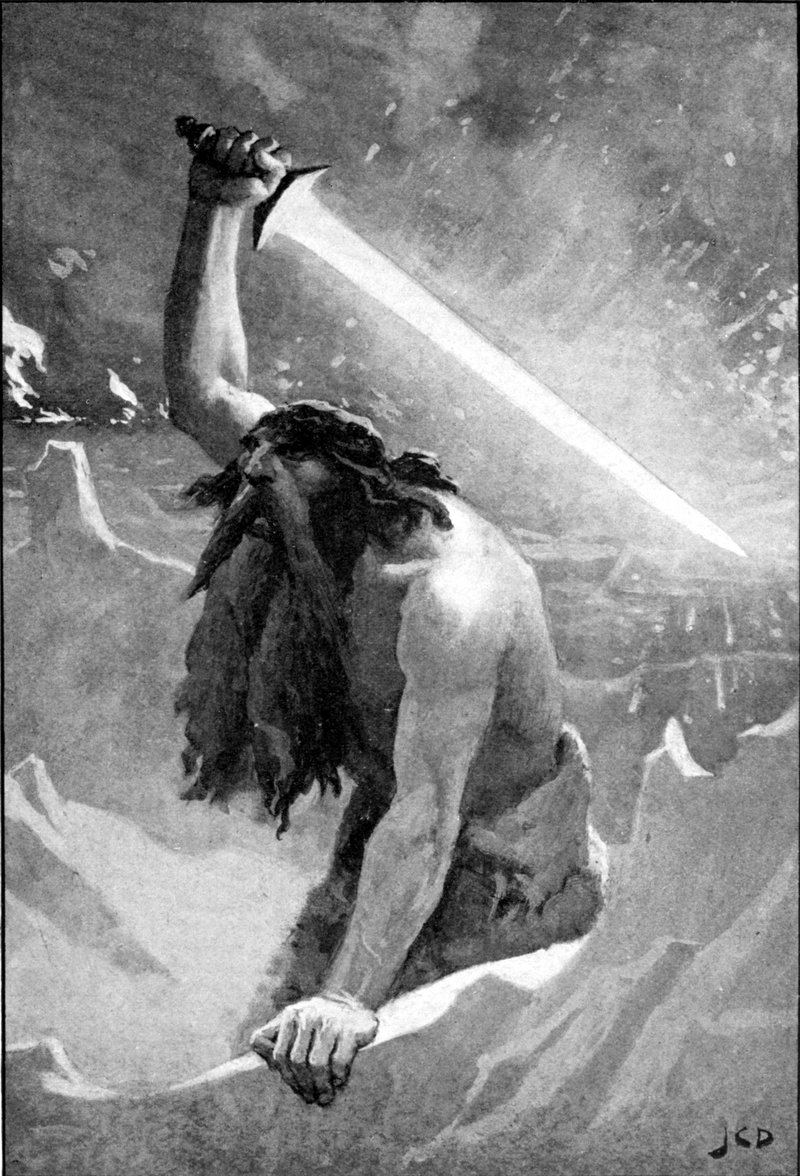
They died slowly, but painfully. Piece by piece.
eBay Inc. v. MercExchange, L.L.C., 547 U.S. 388 (2006) made it much harder for patent holders who don’t make anything to get injunctions.
The Leahy-Smith America Invents Act, Pub. L. No. 112-29, 125 Stat. 284 (2011) created a cheap way to challenge bad patents at the Patent Office and stopped trolls from suing dozens of unrelated companies in one case.
Alice Corp. v. CLS Bank International, 573 U.S. 208 (2014) killed patents on abstract ideas just done “on a computer.”
Octane Fitness, LLC v. ICON Health & Fitness, Inc., 572 U.S. 545 (2014) made it far easier for defendants to win their legal fees back from bogus suits.
TC Heartland LLC v. Kraft Foods Group Brands LLC, 581 U.S. 258 (2017) ended forum shopping into East Texas.
Who Were the Heroes? To Kill Monsters, You Need Heroes.
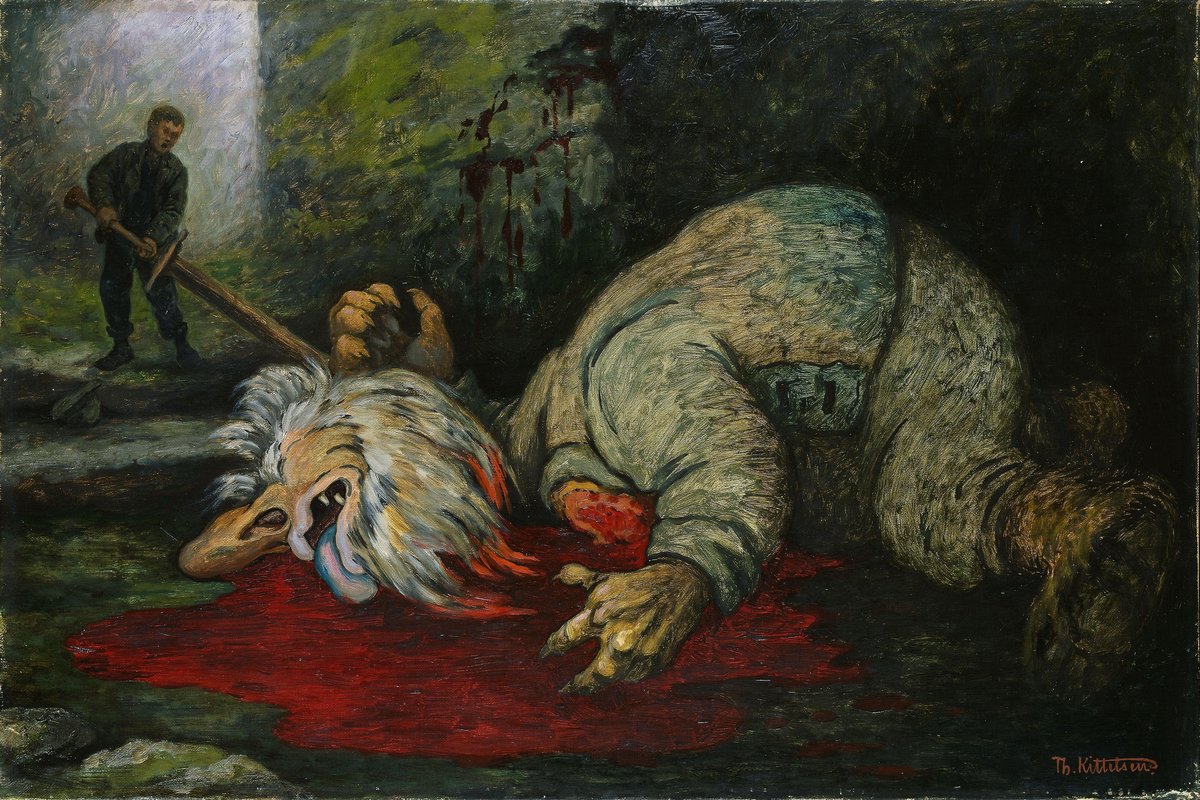
Ultimately, the law only changed because a few companies refused to pay. They are the real heroes of this era:
WildTangent. When Ultramercial claimed it owned the business model of free content paid for by ads, Hulu and YouTube got out early. Cowards. WT stood alone, fought for five years, and won. Ultramercial, Inc. v. Hulu, LLC, 772 F.3d 709 (Fed. Cir. 2014) is now one of the most cited cases for killing software patents. Every F2P or ad-supported company on Earth owes them.
Fark (based here in Lexington, KY!) In 2011 a shell company called Gooseberry sued Fark, Reddit, Digg, TechCrunch, Yahoo, and others over a patent on distributing “news releases.” The big guys settled (see a pattern here?). Drew Curtis (founder and owner of Fark.com) fought, and the troll walked away with nothing. He even had the usual gag clause struck from the settlement so he could tell the world he paid $0, which he then did in a TED talk.
https://www.ted.com/talks/drew_curtis_how_i_beat_a_patent_troll
Newegg. They had a flat “we never settle” policy. Soverain claimed it owned the online shopping cart and collected tens of millions from other retailers. Newegg lost at trial in East Texas, appealed, and got all of the asserted patents invalidated in Soverain Software LLC v. Newegg Inc., 705 F.3d 1333 (Fed. Cir. 2013). The Supreme Court refused to hear Soverain’s appeal. Newegg did it again and again against other trolls.
Most of these legal battles were fought by small companies who refused to bend the knee while the biggest mega-corps cowered and just paid them off. These companies spent their own money to make the system work for everyone else. Most of them got nothing for it but the gratitude of those who know. Many of them, sadly, didn’t live much longer after their mostly unheralded victories. We owe them a tremendous debt.